
🚒 FHC Shaft Door
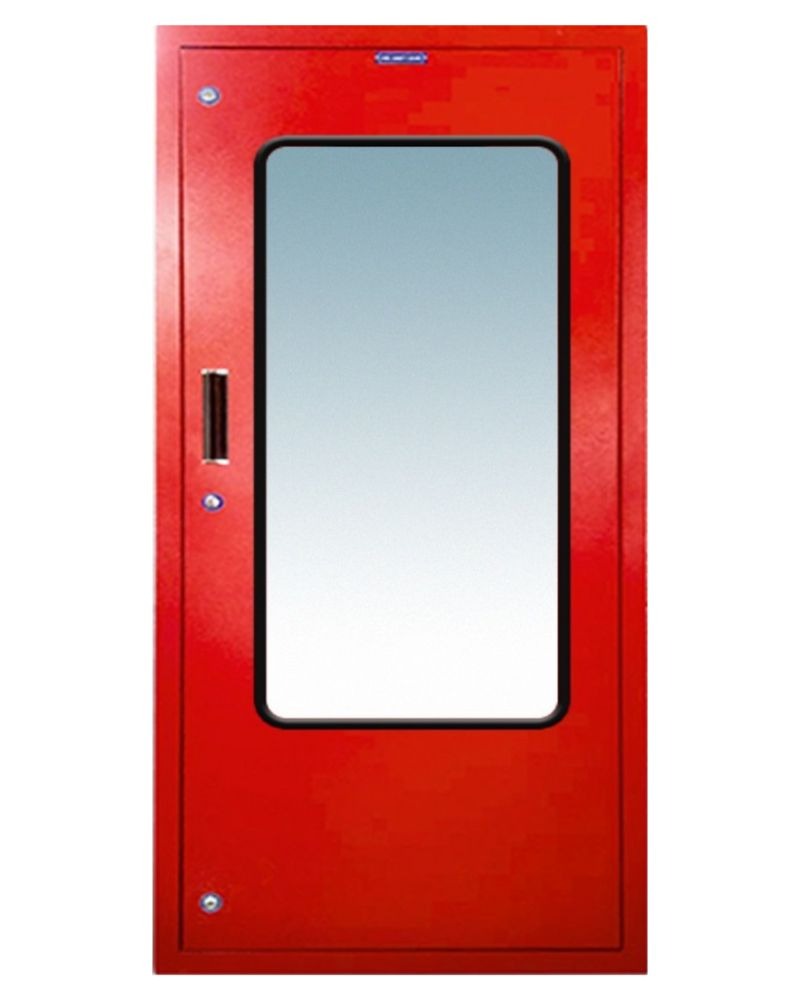
A Fire Hydrant Shaft Door (FHC Door) is a fire-rated access panel used to enclose hydrant valves and hose reels inside vertical shafts. It helps prevent the chimney effect, stopping fire and smoke from spreading between floors.
Core Specifications
- Material: GI / MS Sheets (1.2mm thick)
- Infill: Mineral Wool / Rockwool (96kg/m³)
- Sealing: Intumescent seals for smoke protection
- Finish: Fire Red (RAL 3000) powder coating
⚙️ Features & Hardware
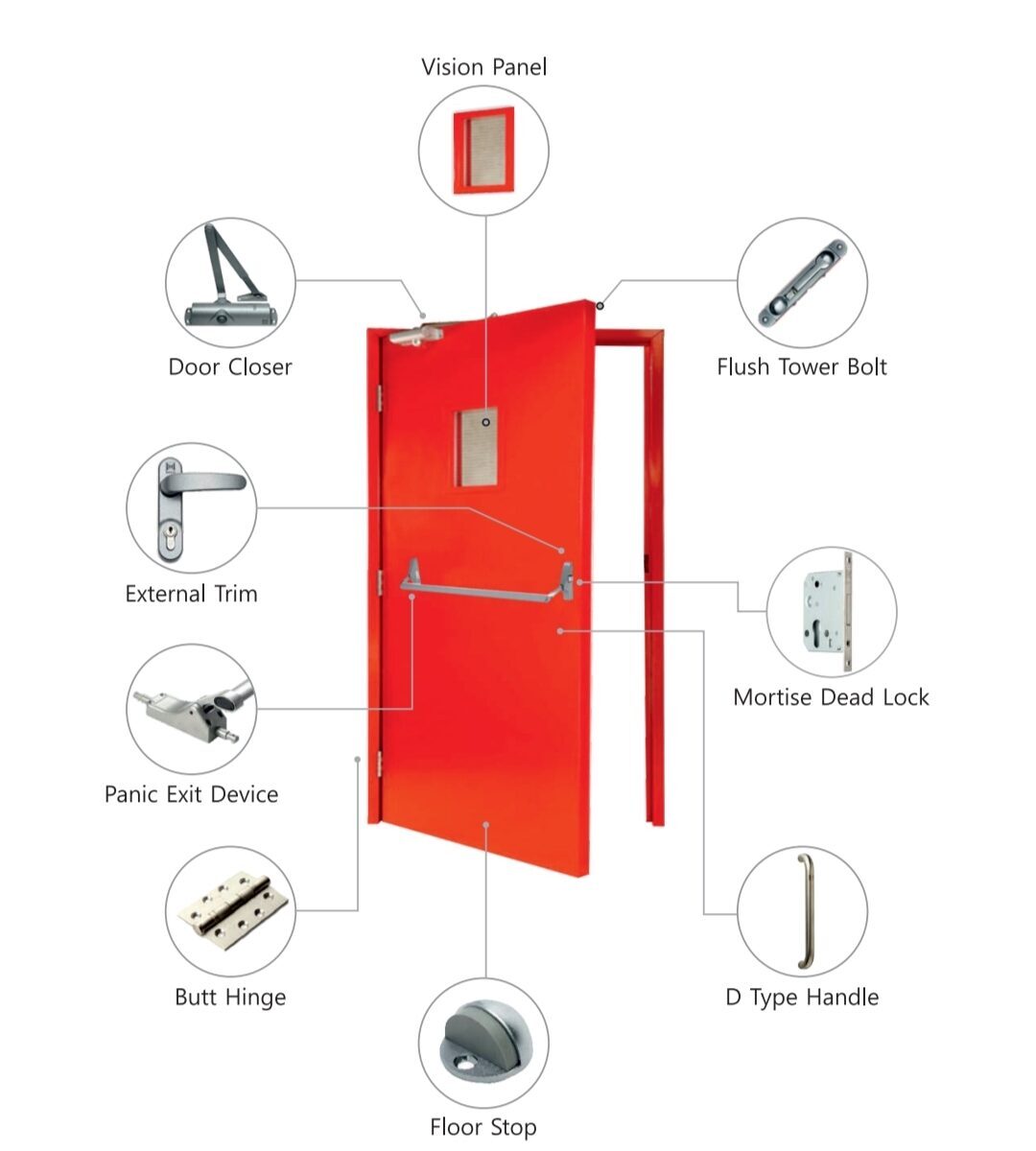
- L-Key / Cam Lock system
- Optional vision panel (fire-rated glass)
- Clear marking: "FIRE HYDRANT" / "FHC"
- High visibility for emergency use
📏 Standard Sizes
- Single Door: 750mm × 600mm × 250mm
- Double Door: 750mm × 900mm
- Shaft Access: 2100mm × 900mm
🔥 Designed for quick access while maintaining fire compartment safety.
⚡ LV / Electrical Shaft Door
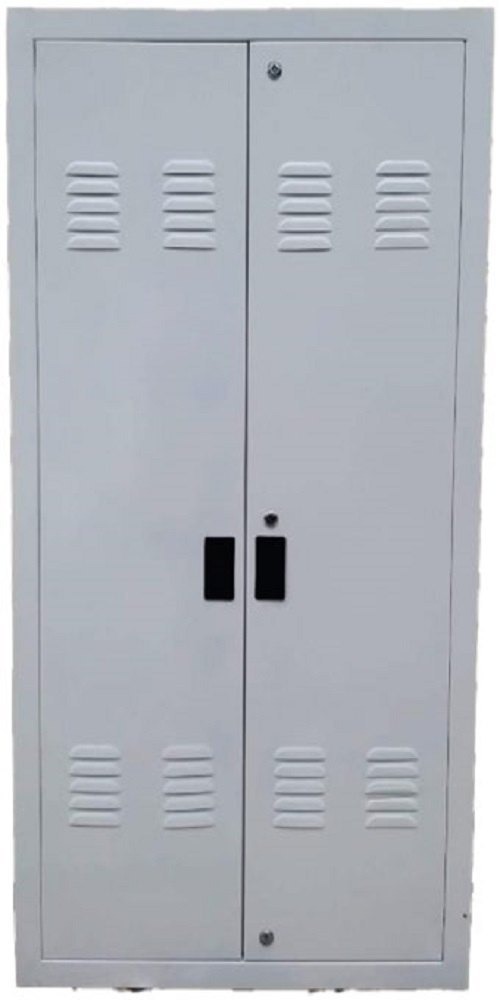
LV and Electrical Shaft Doors are fire-rated panels used to secure utility shafts carrying electrical and data services. They are essential as per NBC 2016 to prevent fire spread between floors.
Key Requirements
- Fire Rating: Minimum 120 minutes
- Compliance: IS 3614:2021
- Separation: Electrical & LV systems in separate shafts
📊 Technical Specifications
| Feature | Electrical Shaft Door | LV Shaft Door |
|---|---|---|
| Usage | Power cables, DBs | Telecom, CCTV, Data |
| Color | PO Red / Light Grey | Siemens Grey / Light Grey |
| Ventilation | Louvers required | Optional |
| Material | 1.2mm–1.6mm GI/MS | 0.8mm–1.2mm GI/CRCA |
🔧 Essential Components
- Allen Key / Cam Lock system
- Intumescent seals for fire protection
- Recessed D-type handles
- Flush design for corridors
⚠️ Ensures safety, accessibility, and controlled fire spread in utility shafts.